

The Bodum French press recall in 2026 affects approximately 5.9 million coffee makers in the United States. Announced on October 29, the recall concerns certain 8-cup and 12-cup models with replaceable glass carafes. The glass can unexpectedly break if damaged or cracked, potentially exposing users to hot coffee and serious scald burns. Consumers should check their models and follow the official safety instructions.
The U.S. Consumer Product Safety Commission (CPSC) reports 70 incidents involving carafes breaking during use, including 48 reports of burns. Those figures explain why the announcement matters not only to coffee drinkers but also to anyone researching defective-product injuries and how evidence may affect a claim.
Which Bodum French Press Models Are Recalled?
The recall applies to certain 8-cup and 12-cup French press coffee makers with replaceable glass carafes from these eight Bodum product lines:
- Bistro
- Brazil
- Caffettiera
- Chambord
- Crema
- Java
- Jesper
- Kenya
According to the CPSC, affected products were sold nationwide through retailers including Target, Walmart, coffee and home-goods stores, and online sellers from 1974 through October 2026. The reported retail prices ranged from approximately $15 to $65. The Bodum name appears on the frame or inner lid of most affected models and may also be engraved on the carafe.
Do not assume that every Bodum product or every French press is included. Compare the cup size, product line, and physical details with the official CPSC recall listings before taking action.
Why Were the Coffee Makers Recalled?
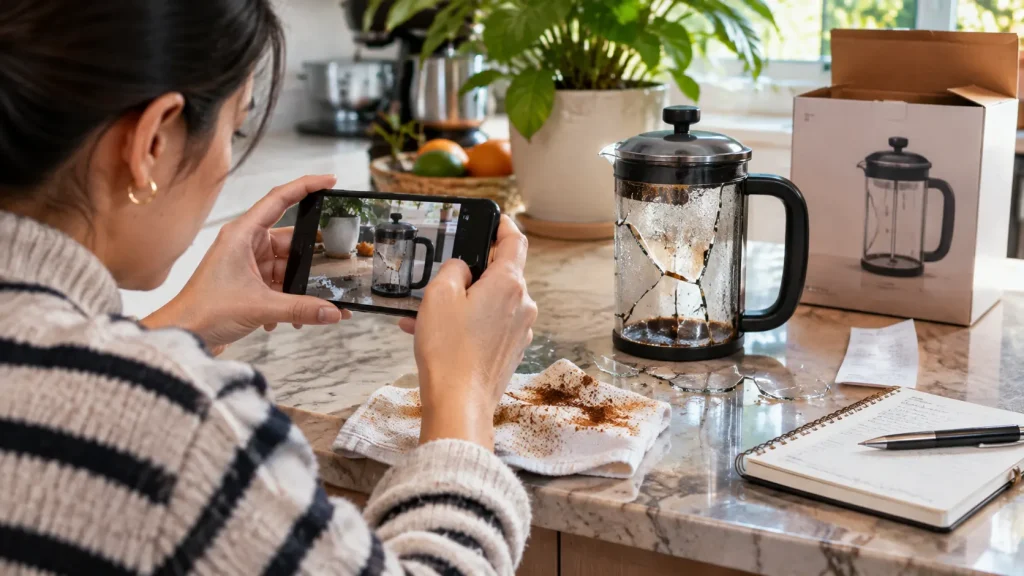
The hazard involves damage to the glass carafe. The CPSC explains that a cracked or weakened carafe can break unexpectedly during use. Stirring with a metal spoon or another metal utensil can damage the glass, which may contribute to later breakage.
If the container fails while holding hot coffee, liquid may spill onto a person’s hands, arms, legs, or torso. Broken glass may also cause cuts. The presence of a recall does not mean every affected unit has already cracked, but the safety notice identifies a risk consumers should address.
In its October 29, 2026 public statement, Bodum described the recall as a step to reinforce warnings about damaged glass and metal utensils. The company said affected consumers would receive a plastic stirring spoon and an additional warning label.
What Should Owners Do Right Now?
The recall remedy is not a blanket refund or automatic replacement of every coffee maker. The CPSC directs consumers to stop using metal spoons or utensils to stir coffee inside the affected glass carafes and contact Bodum for a free plastic stirring spoon and warning label.
Consumers should also avoid using cracked or damaged carafes. A damaged vessel should not be tested again with hot water to see whether it leaks or breaks. Check the official notice for the full remedy and any updates.
Bodum’s recall contact number is (888) 879-8213, and its recall email is Bodum3302@sedgwick.com. Owners can also use the recall information linked from the manufacturer’s website. Keep records of any remedy request, correspondence, and product identification.
What Injuries Can a Shattered French Press Cause?
Hot coffee can cause a scald injury, a type of thermal burn. The American Burn Association explains that scalds may involve pain, redness, swelling, blisters, or deeper tissue damage. Burns can be especially serious when they affect sensitive areas or cover a large portion of the body.
Sudden breakage may also create sharp glass fragments. Depending on the incident, a person could sustain cuts, slip on spilled liquid, or drop the container while reacting to the spill. These are possible consequences, not a claim that each occurred in the reported incidents.
For a fresh scald, the American Burn Association recommends cooling the burn under cool, not cold, running water for 10 to 20 minutes. Do not use ice or apply butter. Seek emergency help for serious or extensive burns, or burns involving the face, hands, feet, major joints, or other high-risk areas. Medical professionals should determine appropriate care.
What Evidence Should Be Saved After an Injury?
Evidence may help establish which product was involved, what happened, and the injuries that followed. When it is safe, preserve the coffee maker, broken pieces, original packaging, receipts, photographs, and communications with the manufacturer or retailer.
Useful records may include:
- Product details: Model name, cup size, photographs of the frame, lid, and markings.
- Scene photographs: The carafe, spilled coffee, glass fragments, and surrounding area.
- Purchase information: Receipt, order confirmation, or other proof of purchase.
- Incident timeline: When the glass broke, how the coffee maker was being used, and who witnessed it.
- Medical documentation: Examinations, prescriptions, treatment records, and relevant expenses.
- Company communications: Recall notices, emails, remedy requests, or inspection arrangements.
Do not handle sharp glass simply to preserve evidence or place yourself at risk of further injury. If the product must be moved, safety comes first. Preserve original digital photographs instead of relying only on altered copies. Our guide to AI-generated accident evidence explains why authenticity and original files matter.
Can Someone Make an Injury Claim After a Recall?
Possibly, depending on the facts and applicable state law. A product injury claim generally requires more than showing that a manufacturer issued a recall. Investigators may examine whether the coffee maker had a relevant defect, whether that condition caused the incident, and whether the incident caused the claimed injuries.
The Legal Information Institute’s product liability overview describes theories involving manufacturing defects, design defects, inadequate warnings, and warranties. The elements and available defenses vary by jurisdiction.
A claim may involve a manufacturer, distributor, seller, or another party, but responsibility cannot be assigned solely from the recall announcement. Questions may include the product’s condition, instructions, use of utensils, prior damage, warnings, and the circumstances surrounding breakage.
Our existing article on e-bike battery fire liability provides another example of how consumer products may create injury, evidence, and insurance questions.
Does Accepting a Recall Remedy Resolve an Injury Claim?
Not necessarily. The free plastic spoon and warning label are the remedy described in this recall. They address future use but do not automatically resolve every issue arising from an earlier injury. An individual claim may involve separate questions about medical treatment, lost earnings, out-of-pocket expenses, and other losses permitted under state law.
Before signing a broad release or settlement agreement, review what the document covers. If a company asks to collect or inspect a damaged product, consider how the evidence will be documented and preserved. An attorney licensed in the relevant state can explain how a recall remedy and possible civil claim may interact.
How Can Consumers Report a French Press Injury?
Consumers can submit information about an unsafe product through SaferProducts.gov, the CPSC’s public incident-reporting portal. A report can help regulators identify hazards and monitor safety problems. Filing a report does not automatically start a lawsuit or provide compensation.
When reporting, provide accurate information about the product, incident date, what happened, and any injuries. Keep a copy of the submission and related correspondence for your records.
How to Use a French Press More Safely
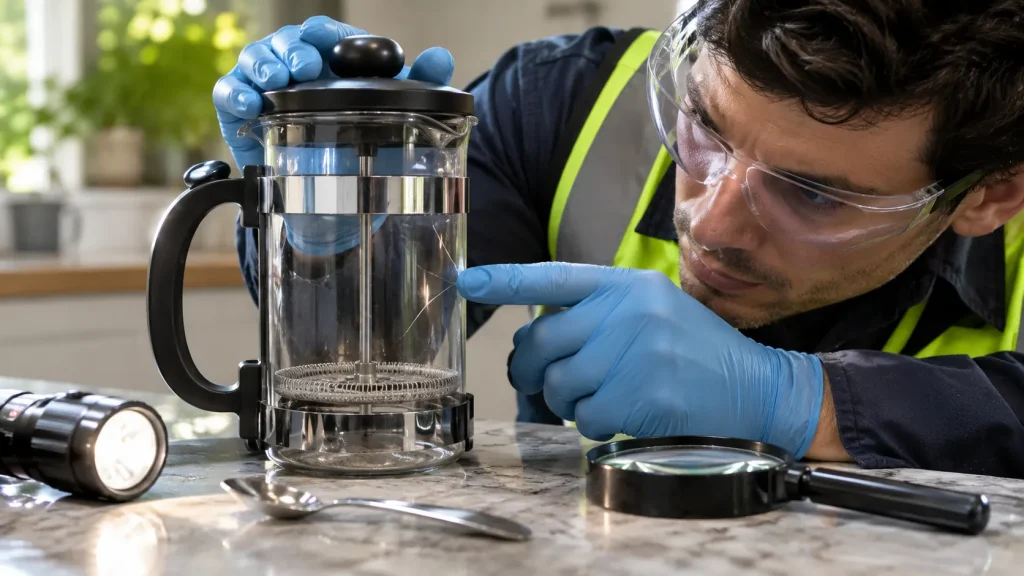
Owners should follow the recall directions for their specific model. Inspect glass carafes for chips, cracks, or other visible damage before use. Do not continue using a damaged carafe. Avoid metal stirring utensils inside affected glass containers, and use the recommended plastic utensil provided through the recall.
Keep hot beverages away from counter edges and out of children’s reach. Handle the press carefully, use a stable surface, and follow the manufacturer’s instructions. These precautions reduce certain risks but cannot guarantee that an accident will never occur.
Frequently Asked Questions
Which Bodum French Presses Are Included in the 2026 Recall?
Certain 8-cup and 12-cup models with replaceable glass carafes in the Bistro, Brazil, Caffettiera, Chambord, Crema, Java, Jesper, and Kenya lines are included. Check the official CPSC notice to confirm your product.
Does Bodum Offer a Refund for This Recall?
The published CPSC remedy is a free plastic stirring spoon and warning label, not a general cash refund. Confirm any updated remedy directly with the company.
Can a Person Seek Compensation for a Burn?
A person may have legal options if a product-related problem caused a burn, but the outcome depends on evidence and state law. A recall by itself does not establish liability.
What if the Coffee Maker Was Purchased Many Years Ago?
The CPSC identifies affected products sold over a long period, from 1974 through October 2026. Confirm the specific product and review any applicable legal deadlines separately.
Final Thoughts
The 2026 Bodum French press recall highlights how an everyday household product can present a burn hazard when glass is damaged or cracked. Check the affected models, follow CPSC instructions, avoid damaged carafes, and preserve relevant records if an incident has already occurred.
For more practical guidance on injuries, product risks, and insurance issues, explore the John Scott Law blog.