
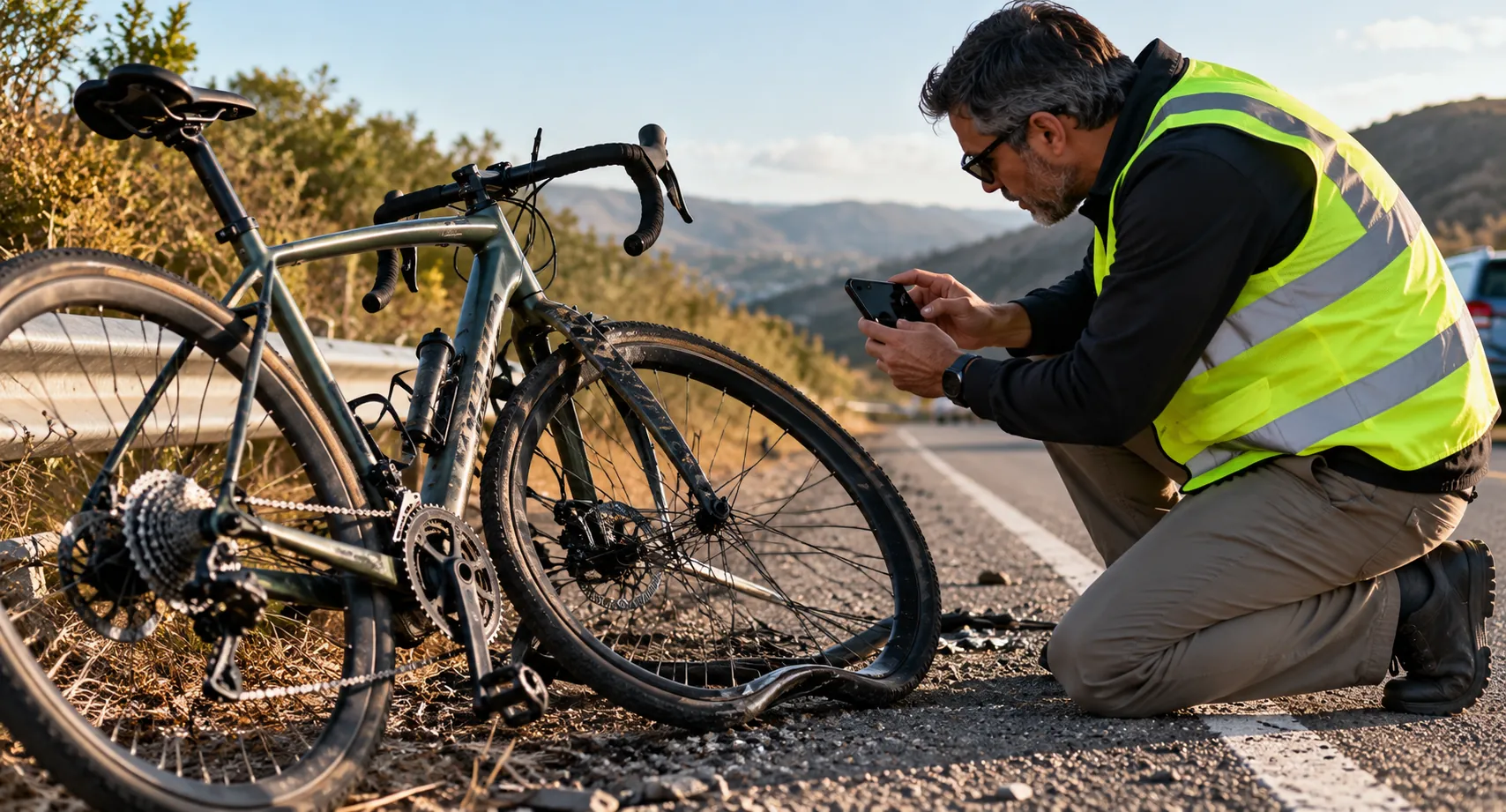
Bicycle recalls in 2026 are raising important questions about defective parts, rider safety, and legal responsibility after a crash. Recent federal safety notices have identified problems involving front wheels, bicycle forks, and seat-post components. These failures can cause a rider to lose control, fall suddenly, or collide with another vehicle or roadway obstacle.
For cyclists, understanding 2026 bicycle recalls is about more than finding out whether a particular model needs repairs. It also means knowing what to do when a component fails, how to preserve evidence, and whether a manufacturer, retailer, distributor, or repair provider may be legally responsible for resulting injuries.
New recalls issued by the U.S. Consumer Product Safety Commission (CPSC) on October 1 and October 8, 2026, demonstrate why owners should check product safety notices regularly. Although the companies reported no injuries associated with these two recalls at the time of the announcements, the identified hazards could potentially cause serious crashes.
Why Bicycle Recalls Are Making News in 2026
Modern bicycles combine increasingly specialized components, including lightweight frames, carbon fiber forks, hydraulic brakes, electronic shifting systems, and advanced wheel assemblies. Electric bicycles may also include motors, batteries, electronic controls, and additional structural components.
While these developments can improve performance and convenience, a defective or incorrectly assembled component may create a dangerous situation, especially when a rider is traveling downhill or navigating traffic.
On October 8, 2026, CPSC announced a recall of approximately 1,150 Van Rysel GRVL AF bicycles distributed through Decathlon America and REI. The agency warned that a front lock nut could loosen during use, potentially allowing the front wheel to become loose or separate.
The recall covers specific gravel bicycle models sold between March 2025 and August 2026. Consumers were instructed to stop riding affected bicycles and arrange a free inspection and repair of the front fork assembly.
Just one week earlier, Gazelle USA recalled approximately 1,032 Urban Arrow cargo electric bikes because a bolt in the seat-post clamping mechanism could break, causing the seat to loosen and creating a fall hazard.
These recalls demonstrate that bicycle safety problems are not limited to battery fires or electrical systems. Mechanical components can also create potentially serious risks.
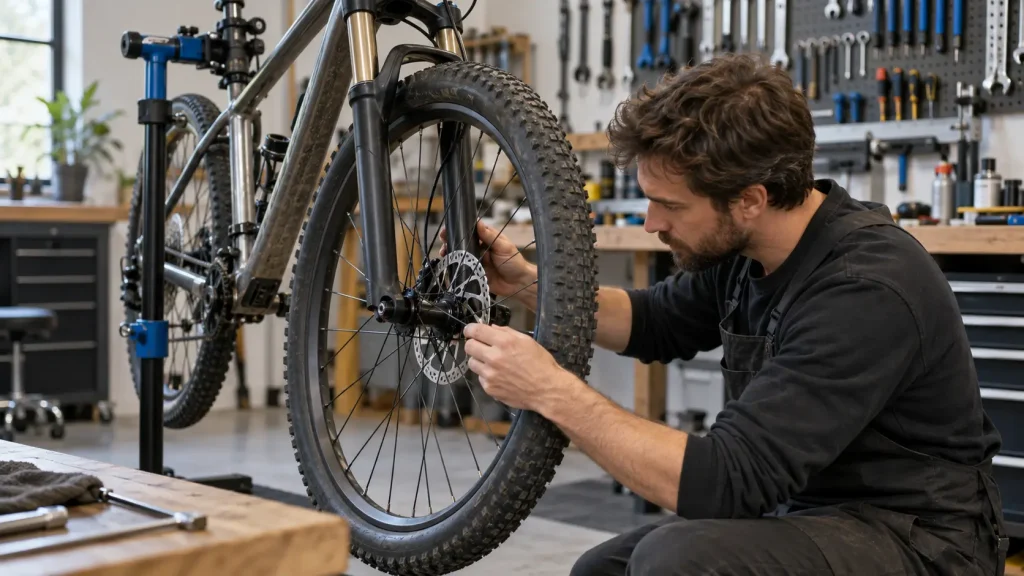
How Bicycle Component Failures Can Cause Crashes
A bicycle depends on several interconnected systems to remain stable and controllable. When one component fails unexpectedly, a rider may have little time to react.
Front Wheel and Axle Problems
A loose front wheel can affect steering, handling, and stability. In severe circumstances, the wheel may shift or detach, causing the bicycle to stop abruptly or collapse. A rider may be thrown forward and sustain injuries involving the head, face, wrists, shoulders, or other parts of the body.
Fork and Steering Component Failures
The front fork connects the wheel to the bicycle’s steering assembly. Damage, improper installation, or component defects can affect the rider’s ability to control the bike.
In August 2026, Ritchey Design recalled certain carbon bicycle forks because an alloy insert could loosen, potentially allowing an accessory to fall onto the front wheel.
Seat-Post and Saddle Failures
A bicycle saddle helps maintain balance, weight distribution, and pedaling position. If a seat-post clamp or supporting component suddenly breaks, a rider could lose stability or fall from the bicycle.
These failures may be particularly concerning on cargo bicycles carrying additional weight, although the circumstances and consequences depend on the individual incident.
Brake and Wheel Assembly Issues
Brakes and wheel attachments must function together properly. Loose hardware, incompatible components, or defective assemblies may compromise stopping performance or wheel security.
Not every crash involving a bicycle part indicates a manufacturing defect. Incorrect installation, inadequate maintenance, previous damage, or modifications may also contribute.
Who May Be Liable After a Defective Bicycle Crash?
When a bicycle component fails and causes an injury, determining responsibility generally requires investigating why the failure occurred.
Bicycle Manufacturers
Manufacturers may face product liability claims when a bicycle contains an unsafe design, manufacturing defect, or inadequate warning that contributes to an injury.
For example, investigators may examine whether a wheel assembly met applicable specifications, whether a component was properly tested, and whether known risks were addressed before the product reached consumers.
Component Manufacturers
Bicycle manufacturers frequently obtain parts from separate suppliers. A defective axle, fork, clamp, brake component, or other part may originate from a company different from the bicycle’s primary brand.
Depending on the circumstances and applicable law, a component supplier may be included in a product liability investigation.
Retailers and Distributors
A retailer or distributor may also become relevant when an unsafe product reaches consumers. Legal responsibility depends on state law and the company’s role in the distribution process.
Issues may include whether the seller assembled the bicycle, performed required inspections, provided safety instructions, or continued selling affected products after receiving relevant recall information.
Bicycle Repair Shops
Repair businesses may face negligence questions if improper installation, faulty maintenance, or failure to follow appropriate procedures contributes to a mechanical failure.
However, determining responsibility requires evidence connecting the repair work to the incident. A component failure does not automatically establish that the most recent repair provider was negligent.
What Evidence Should Be Saved After a Bicycle Part Fails?
Physical and digital evidence can be important in understanding the cause of a crash. When a mechanical failure is suspected, avoid discarding or repairing the bicycle before its condition has been properly documented.
Potentially relevant evidence includes:
- The bicycle and damaged components: Preserve broken hardware, wheels, forks, clamps, and other detached parts.
- Photographs: Capture bicycle damage, the roadway, surrounding hazards, and relevant components.
- Purchase records: Keep receipts, invoices, warranties, and original product information.
- Repair history: Save maintenance records and documentation of component replacements.
- Recall information: Retain official notices identifying affected products and potential hazards.
- Medical records: Document diagnoses, treatment, follow-up appointments, and reported symptoms.
- Witness information: Preserve contact details for anyone who observed the incident.
Original photographs and video files may contain useful technical information. Our article about AI-generated accident evidence explains why preserving authentic digital files and avoiding misleading edits matters during accident investigations.
Does a Bicycle Recall Automatically Prove Liability?
No. A recall may provide valuable evidence of an identified product hazard, but it does not automatically establish that the hazard caused a particular crash or injury.
Investigators may need to determine whether the bicycle matches the recalled models, whether the relevant component was defective, whether the failure caused the incident, and whether other circumstances contributed.
For example, evidence that a front wheel detached may prompt an investigation into manufacturing, assembly, installation, maintenance, and prior damage.
Legal standards also vary by jurisdiction. Depending on the state, a claim may involve strict product liability, negligence, breach of warranty, or another legal theory.
How to Check Whether Your Bicycle Has Been Recalled
Consumers can search the official CPSC recall database for information about bicycles and related equipment.
When checking a recall, compare the product’s identifying information with the official notice. Details may include the brand, model, serial number, manufacturing date, and product identification number.
If your bicycle is included in a recall, follow the specific instructions provided by the CPSC and recalling company.
Some recalls offer free repairs or replacement components. Others may require consumers to stop using a product permanently.
Do not assume a bicycle is safe simply because it appears undamaged. Some defects may not be obvious during a casual inspection.
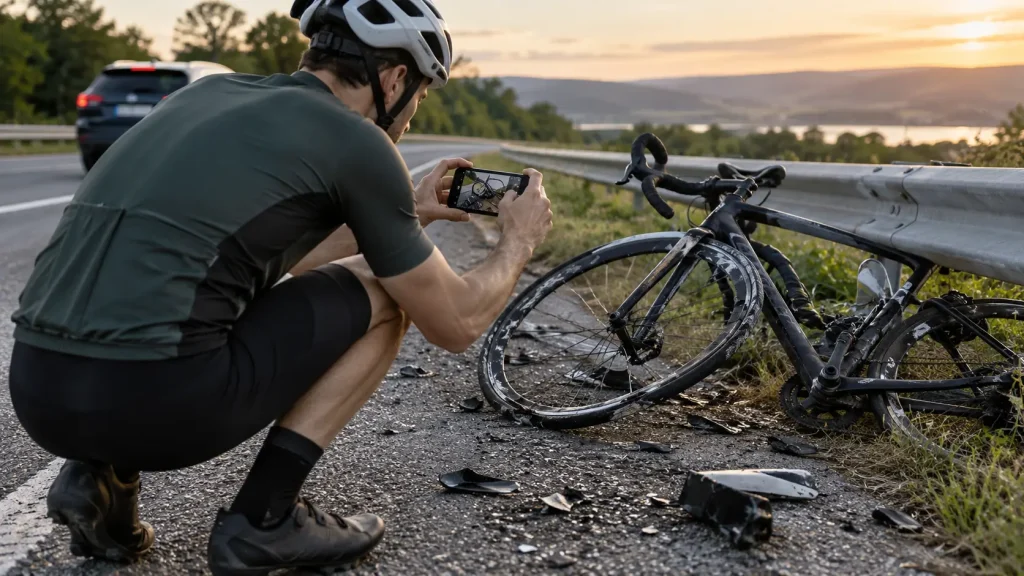
What to Do After a Bicycle Crash Involving a Defect
If a bicycle component unexpectedly fails, consider the following steps:
- Get medical attention. Seek appropriate care, particularly after a head impact, significant fall, or suspected fracture.
- Move to safety. Avoid additional traffic or roadway hazards.
- Document the incident. Photograph the bicycle, damaged parts, and surrounding conditions.
- Preserve the equipment. Keep broken or detached components whenever doing so is safe.
- Identify the bicycle. Record its brand, model, serial number, and purchase details.
- Check official recalls. Compare the product against applicable safety notices.
- Maintain records. Organize medical expenses, missed work, property damage, and related costs.
Consumers may also report unsafe bicycle products through SaferProducts.gov. Reports can help federal regulators identify potential safety concerns.
For additional information about another type of bicycle product hazard, read our guide to e-bike battery fires and liability.
Common Injuries After Mechanical Bicycle Failures
A sudden component failure may cause a rider to fall onto pavement, collide with a vehicle, or strike a nearby object. Potential injuries include fractures, wrist and shoulder injuries, facial injuries, concussions, traumatic brain injuries, abrasions, and spinal injuries.
The severity depends on factors such as speed, the type of failure, protective equipment, surrounding traffic, and the rider’s landing position.
The CPSC’s micromobility safety resources provide additional guidance about electric bicycles, scooters, protective equipment, and related hazards.
How Insurance May Apply
Insurance coverage after a defective bicycle crash can be complicated. Depending on the circumstances, potentially relevant policies may include homeowners or renters insurance, automobile coverage, commercial liability insurance, or insurance maintained by a manufacturer or retailer.
Coverage depends on policy terms, exclusions, the parties involved, and the nature of the incident.
A claimant may need to document medical treatment, lost income, bicycle damage, and other relevant losses. An insurance adjuster may also investigate whether a collision resulted from a product defect, another road user’s conduct, or several contributing causes.
Frequently Asked Questions
Can I File a Claim if My Bicycle Was Not Recalled?
Potentially. A product does not necessarily need to be recalled before a defect-related injury claim may be considered. The evidence and applicable state law determine whether a claim is viable.
Should I Repair My Bicycle Immediately After a Crash?
When a defect may have caused an injury, preserving the bicycle’s condition can be important. Avoid unnecessary modifications until relevant evidence has been documented or inspected.
Does a Recall Mean Every Bicycle of That Brand Is Unsafe?
No. Recalls generally identify particular models, components, or production ranges. Consumers should review the official notice to determine whether their bicycle is affected.
What if the Manufacturer Offers a Free Repair?
Follow applicable recall safety instructions. If an injury already occurred, consider preserving relevant evidence and reviewing documents before surrendering parts or signing a release.
Final Thoughts
The 2026 bicycle recalls involving front wheels, forks, and seat-post components highlight the importance of mechanical safety and product awareness. Even a relatively small component can affect a rider’s ability to remain balanced and maintain control.
When a suspected defect contributes to a crash, preserving the bicycle, documenting the incident, checking official recalls, and understanding potential legal responsibilities may help clarify what happened.
For more educational information about accidents, defective products, and insurance issues, explore the John Scott Law blog.