
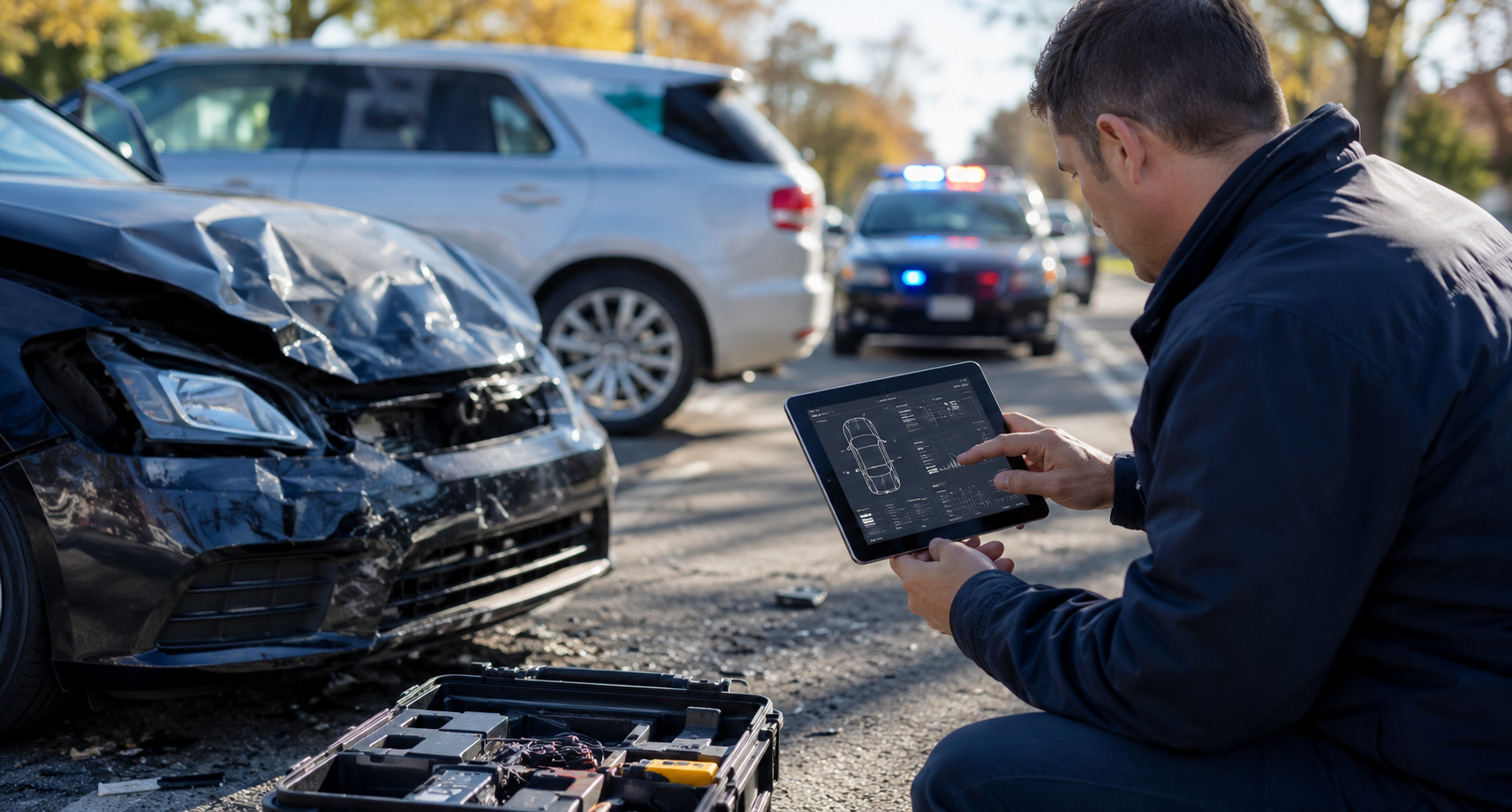
Modern vehicles can create far more evidence than a traditional police report or a set of crash-scene photographs. Depending on the make, model, and equipment, a car may store information about speed, braking, steering, seat-belt use, airbag deployment, driver-assistance features, navigation, and system warnings. Dashcams, connected apps, and cloud-based vehicle systems can add even more detail.
After a crash, this digital record may help explain what happened, especially when drivers disagree. For more general accident guidance, visit the John Scott Law homepage.
Why Smart Car Data Matters Today
Federal agencies continue to focus on vehicle automation and crash data. The NTSB has emphasized the need for better data recording in modern vehicles, especially those using driver-assistance systems.
NHTSA also requires reporting of certain crashes involving advanced systems. Learn more on the NHTSA crash reporting page.
What Smart Car Data Includes
Event Data Recorders (EDR)
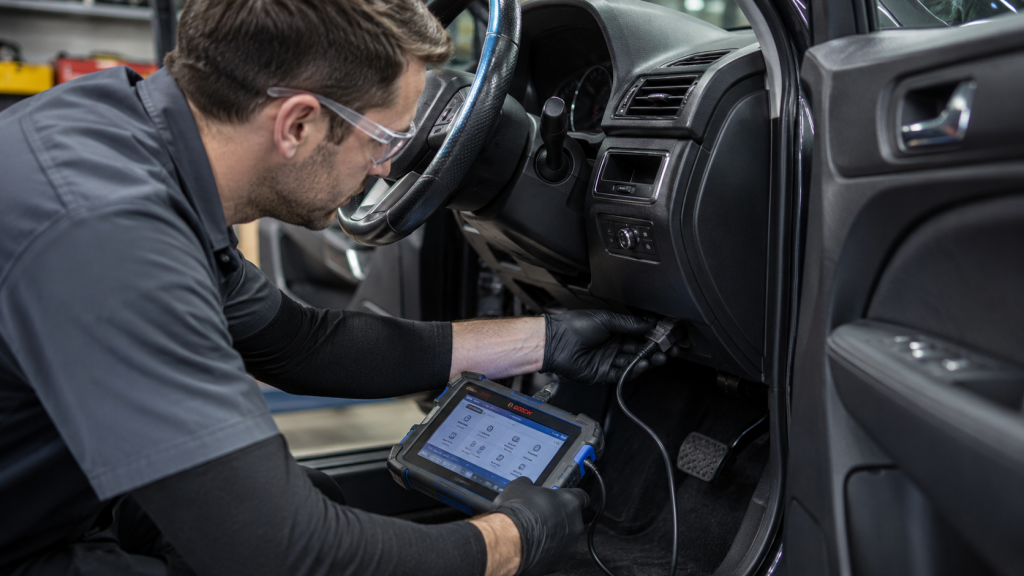
EDRs record short snapshots of crash-related data such as speed, braking, and seatbelt use. Federal standards are outlined in 49 CFR Part 563.
Driver Assistance Systems
Systems like automatic braking and lane assist may log warnings or actions. NHTSA explains these systems on its automation safety page.
Dashcams and Apps
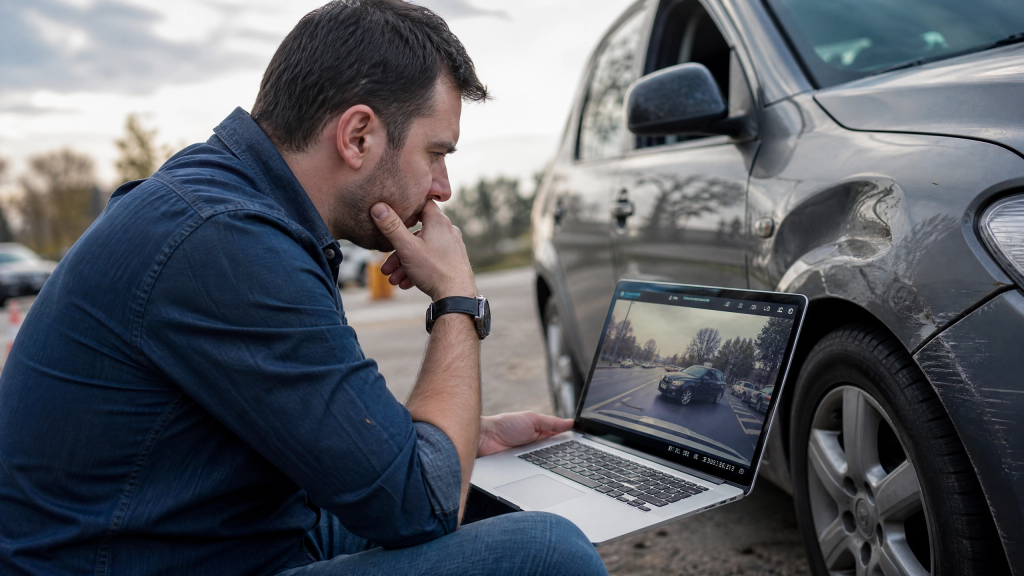
Dashcam footage and phone data can show events leading up to a crash, including road conditions and driver behavior.
How Data Helps Prove Fault
Digital evidence can confirm braking, speed, and lane position. It may support or challenge witness statements. In some cases, it helps identify whether safety systems were active.
Vehicle data may also highlight safety issues. Drivers can check recalls through the NHTSA recall database.
Why Preservation Matters
Data can be lost during repairs or overwritten by systems. Dashcams may loop over old footage. Acting quickly helps preserve evidence.
Steps to Take
- Get medical care first
- Photograph the vehicle
- Save dashcam files
- Avoid repairs before inspection
- Document connected apps and accounts
Limitations
Data must be interpreted correctly and may require expert analysis. Courts also require proof that evidence is authentic, as outlined in Federal Rule of Evidence 901.
Conclusion
Smart car data can provide valuable insight into a crash, but only if it is preserved and analyzed properly. Learn more through our legal guides or explore related topics.